
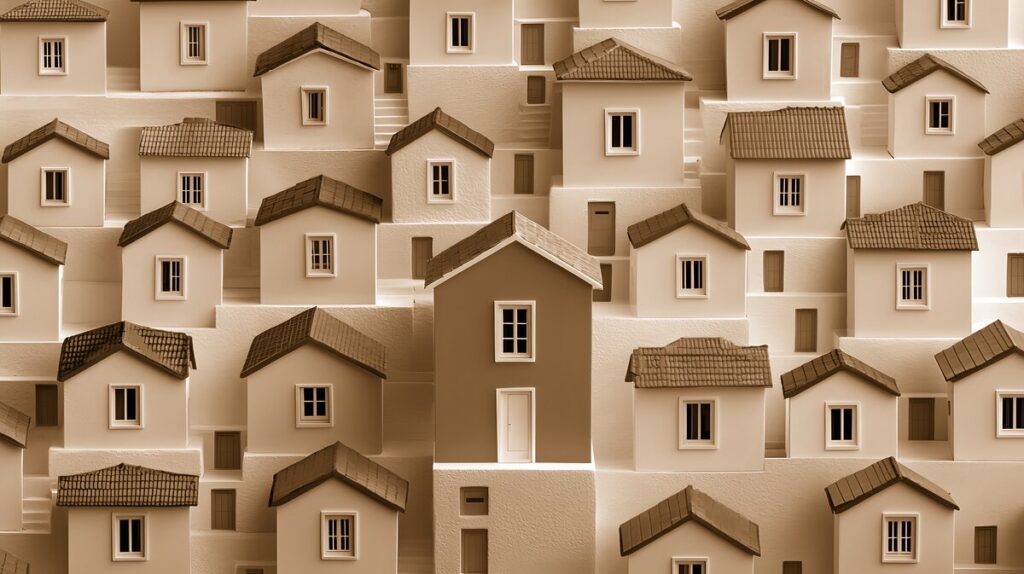
Welcome to the Lindbergh neighborhood, one of Long Beach’s most storied and cherished pockets, where the rhythm of community and history beats strong. For decades, Lindbergh has provided a welcoming atmosphere, tree-lined streets, and a legacy that stretches back nearly a century. Whether you’re taking a stroll on Obispo Avenue or reminiscing at the local parks, the history and heritage of Lindbergh is woven into the very fabric of daily life.
Origins and Naming: A Neighborhood Takes Flight
The Lindbergh neighborhood, located in the northeastern stretch of Long Beach, is named after one of America’s greatest aviation heroes, Charles Lindbergh. In the late 1920s, following Lindbergh’s historic solo transatlantic flight in 1927, the nation was swept up in Lindbergh mania. Across the country, parks, schools, and even whole neighborhoods bore his iconic name. So it was in Long Beach, where the Lindbergh neighborhood began to take shape as the city expanded north and eastward in the years following World War I.
Many of the original residential tracts in Lindbergh were developed during the late 1920s and early 1930s, drawing families hoping for the promise of peace and prosperity. The streets—such as Walnut Avenue, 61st Street, and Lindbergh Avenue—became home to modest, well-built houses and welcoming front yards. The name Lindbergh soon represented not only a pioneering aviator but also a place for new beginnings.
Key Historical Milestones
- 1930s-1940s: Growth and Community Roots
As Long Beach blossomed, so did the Lindbergh neighborhood. During the Great Depression, the community weathered tough times, but local churches and civic organizations, such as Lindbergh Park Community Center, became lifelines. After World War II, returning veterans sought stable neighborhoods in which to raise families, leading to a housing boom across the area.
- 1950s: Educational Excellence
One of the most significant institutions in Lindbergh is Lindbergh Middle School, founded in the postwar years to serve the area’s burgeoning youth population. The school quickly became a heartbeat in the community—hosting events, sporting competitions, and holiday celebrations that brought neighbors together.
- 1960s-1970s: Social Change
As Long Beach diversified, so did Lindbergh. The neighborhood, with its easy access to larger roadways like the 91 and 710 Freeways, became a popular destination for families of all backgrounds. Figures who grew up here have gone on to serve as community leaders, educators, and even city council members.
- 1990s-Present: Renewal and Pride
Recent decades have seen renewed pride and investment in Lindbergh. The neighborhood has embraced its multi-generational residents, while community gardens and neighborhood improvement programs have made headlines for their success in beautifying local spaces.
Notable Landmarks and Institutions
Lindbergh may be a residential neighborhood, but it boasts several landmarks and places that foster its close-knit atmosphere:
- Lindbergh Park – Located at 6199 Walnut Ave, this beloved park is not just a green space but a community hub, with playgrounds, sports courts, and summer concert series. Families gather for picnics beneath the mature shade trees, while kids’ laughter fills the air.
- Lindbergh Middle School – Renowned for both academic and extracurricular excellence, the school’s historic auditorium has been the backdrop for everything from talent shows to civic meetings.
- Local Churches and Civic Centers – Long-established churches like Holy Innocents Catholic Church have provided spiritual and charitable leadership for generations of Lindbergh residents.
- The “Lindbergh Mural” – This colorful community mural, located at the intersection of 61st Street and Orange Avenue, depicts the journey of Charles Lindbergh and the diverse families who call this neighborhood home.
Street Scenes: Then and Now
Walk the blocks of Lindbergh and you’ll see the passing of the decades etched into its homes and shops. Many Craftsman bungalows and Mid-century houses remain intact, lovingly cared for by families eager to honor their roots. The canopy of mature jacaranda and palm trees lining the streets offers a living reminder of the neighborhood’s long history.
Not far from Lindbergh Park, streets like Gundry Avenue and 64th Street showcase well-preserved homes, some with original masonry and classic architectural details. Twice a year, residents host a neighborhood clean-up and block party—an event that has become a beloved tradition and a source of neighborhood pride.
Evolution of a Community
Over time, Lindbergh has grown not just in population, but in diversity. Waves of new Americans, hailing from Mexico, Vietnam, and Central America, have enriched the neighborhood’s cultural tapestry. Today, Lindbergh is home to a multicultural mix of families and retirees, artists, and local small business owners who infuse the area with vibrant life.
Many of Lindbergh’s institutions reflect this diversity. The neighborhood’s community garden, located adjacent to Lindbergh Park, is tended by residents of all ages and backgrounds. Every summer, the garden hosts cultural potlucks, where neighbors trade recipes and stories in a lively celebration of shared heritage.
A Place Steeped in Heritage and Hope
Ask any longtime resident what makes Lindbergh special, and you’ll hear about kindness, resilience, and a shared sense of responsibility. From the cup of coffee shared at a local café on Atlantic Avenue to high schoolers volunteering at the annual clean-up, the Lindbergh neighborhood embodies the spirit of Long Beach: hopeful, hardworking, and always looking ahead.
Whether you’ve called Lindbergh home for decades or just a few months, the echoes of its past shape every corner. Here, heritage is not just remembered—it’s lived, every day, in the laughter of children at Lindbergh Park, the perennials blooming in front yards, and the gentle nod of neighbors greeting each other on a sunny morning.
For those seeking a place in Long Beach where the past is cherished and the future is bright, Lindbergh welcomes you with open arms.